Model Comparison
Nano Banana2 vs GPT-image-2: Ecommerce Image Test, Part 1
Part 1 compares coffee maker, yoga board, and dumbbell rack outputs from the same practical ecommerce viewpoint: Nano Banana2 explored more freely, while GPT-image-2 stayed more restrained and followed a strict detail constraint better, though both still needed product QA.
This review comes from an ecommerce image-production test, not from a speed benchmark or a model leaderboard. The source draft compared Nano Banana2 and GPT-image-2 with real Amazon products, using the final generated images as the basis for judgment and leaving network fluctuation or server response time out of the scoring.
The practical question is simple: when a seller needs usable product visuals, which model is easier to trust for the current job, and what should the operator test before committing to a batch?
Answer first
Part 1 does not prove that one model is always better. It shows a pattern that is useful for ecommerce teams.
Nano Banana2 produced more divergent scene and pose choices. That can help when the team wants exploration, but it also creates more unusable outputs when the product action or small structural detail needs to be controlled. GPT-image-2 behaved more conservatively. It often stayed closer to a strict use logic and responded better when the prompt asked for a specific product detail, although it still made mistakes.
If your task depends on exact product structure, repeatable usage logic, or fewer reruns, start by testing GPT-image-2 with tight prompts. If your task is early visual exploration and you can review more options, Nano Banana2 may still be useful. In either case, the output needs human QA before upload.
What was tested
The full source test used seven real Amazon products across high-volume ecommerce categories such as appliance/function products, pet supplies, and fitness equipment. This Part 1 article covers the first three visible groups in the draft: a coffee maker, a yoga board, and a dumbbell rack.
The review uses four repeated dimensions for each model output set:
| Dimension | What the test looked for |
|---|---|
| Model realism | Whether people and skin looked believable or showed obvious AI smoothness, high contrast, or painterly texture |
| Scene freedom and accuracy | Whether the model chose a useful scene and a plausible product interaction without being overdirected |
| Product consistency and distortion | Whether visible product details, proportions, logos, icons, parts, and counts stayed close to the reference |
| Image expression range | Whether the image had useful commercial atmosphere without drifting away from the product job |
These examples come from a separate model comparison and do not describe selectable settings in Ochra. Use the options and credit estimate shown in Create.
1. Coffee maker test
The prompt used three real product angles of the same coffee maker. It asked for a high-quality lifestyle-style brand image for western markets, with a person naturally using the coffee maker, bright and fresh lighting, a relaxed positive atmosphere, commercial composition, no text, and unchanged product details.
Nano Banana2 coffee maker outputs
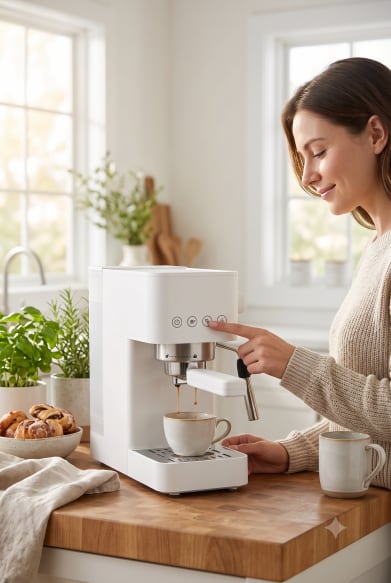
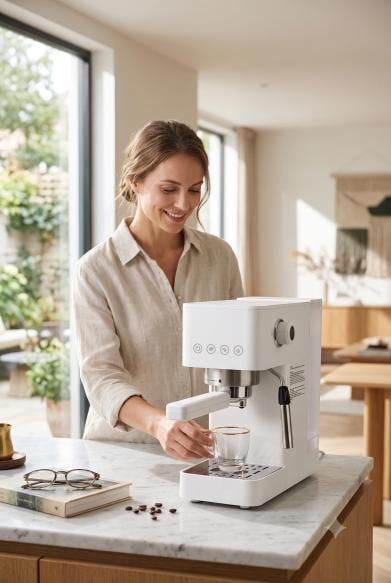
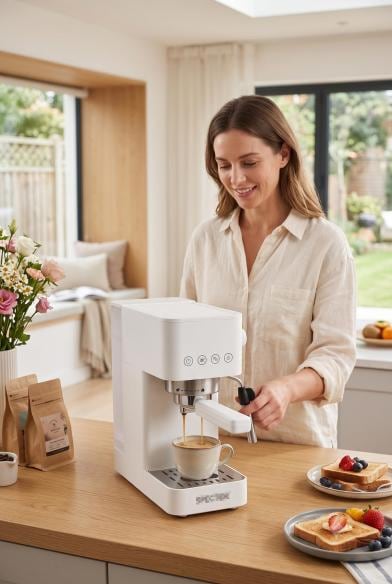
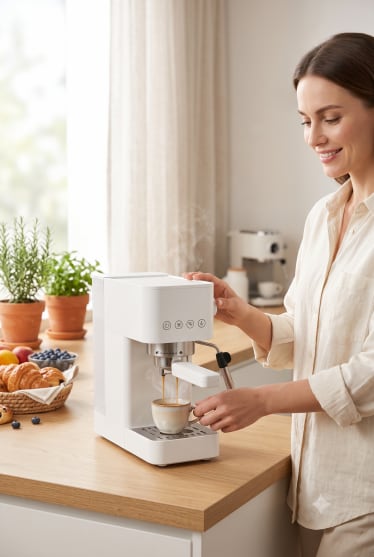
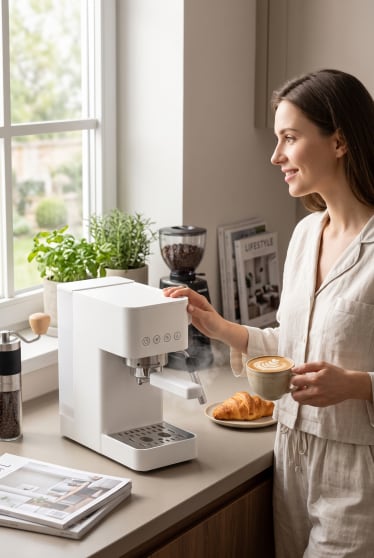
Four-dimension readout
- Model realism Mostly usable. The first and last images had more blur and a slightly painterly skin texture; the second person looked most convincing.
- Scene freedom/accuracy Conservative but clear. The machine stayed on a tabletop, and the user interaction, including the dispensing moment, was easy to understand.
- Product consistency/distortion Proportions stayed close. Only one output retained the logo before masking, and small icon/control areas showed occasional distortion.
- Expression range Predictable commercial expression. Nano Banana2 understood the appliance use case without finding a surprising new angle.
GPT-image-2 coffee maker outputs
The first GPT-image-2 image was a separate difference test without uploading the same product reference, so the coffee maker itself should not be read as a consistency result. The other two used the same prompt as Nano Banana2.
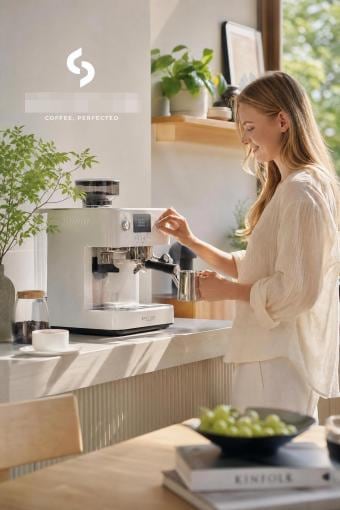
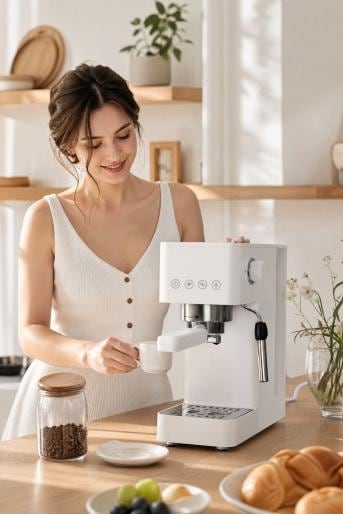
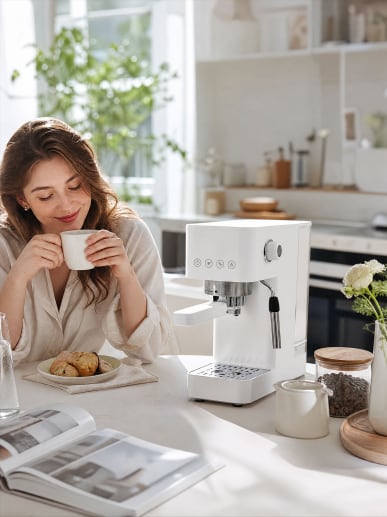
Four-dimension readout
- Model realism Less templated. Skin texture was less painterly, and the first image felt more spontaneous with stronger light and contrast realism.
- Scene freedom/accuracy Still understandable. The referenced runs kept the tabletop/product-use logic, while the first image leaned further into lifestyle atmosphere.
- Product consistency/distortion Needs detail QA. The first image was not a consistency test, and the second showed drift around the side knob; other parts were acceptable.
- Expression range Stronger mood. GPT-image-2 carried the relaxed life-state more vividly, but the product-function demonstration became weaker.
2. Yoga board test
The yoga board prompt used three reference images of the same board. It asked for a high-quality, calm, western-market brand image with an Australian woman naturally using the board, fresh light, a relaxed positive mood, commercial composition, no text, and unchanged product features.
Nano Banana2 yoga board outputs
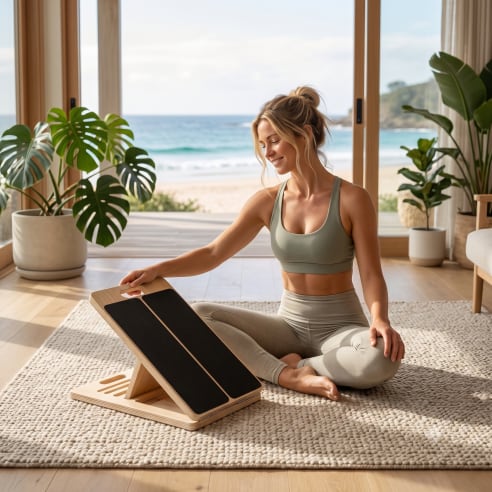
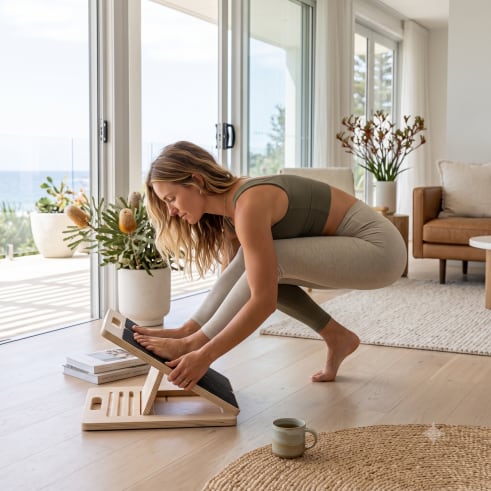
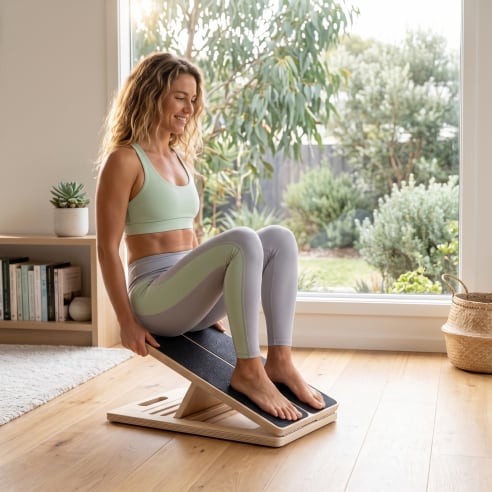
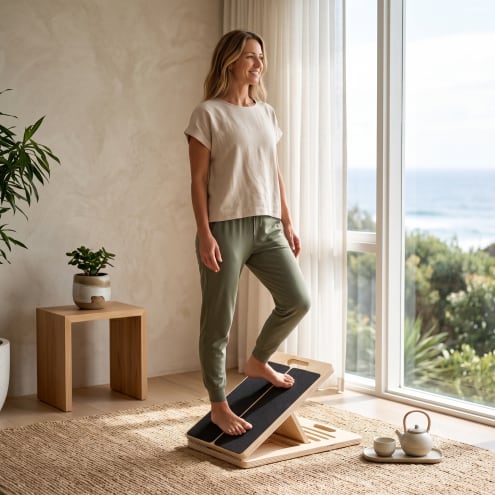
Four-dimension readout
- Model realism Uneven. The third image had the strongest realism and fabric detail, while other images showed yellow-red tone, high contrast, smoothing, and blur.
- Scene freedom/accuracy Very open. Because the prompt only said to use the board, Nano Banana2 made broad pose decisions, some plausible but not commercially useful.
- Product consistency/distortion The product job stayed visible, but the useful QA issue was whether the pose still explained the board. The best image also preserved fabric detail well.
- Expression range High upside, high waste. The set had variety, but some images looked nice while becoming hard to use for a functional product.
GPT-image-2 yoga board outputs
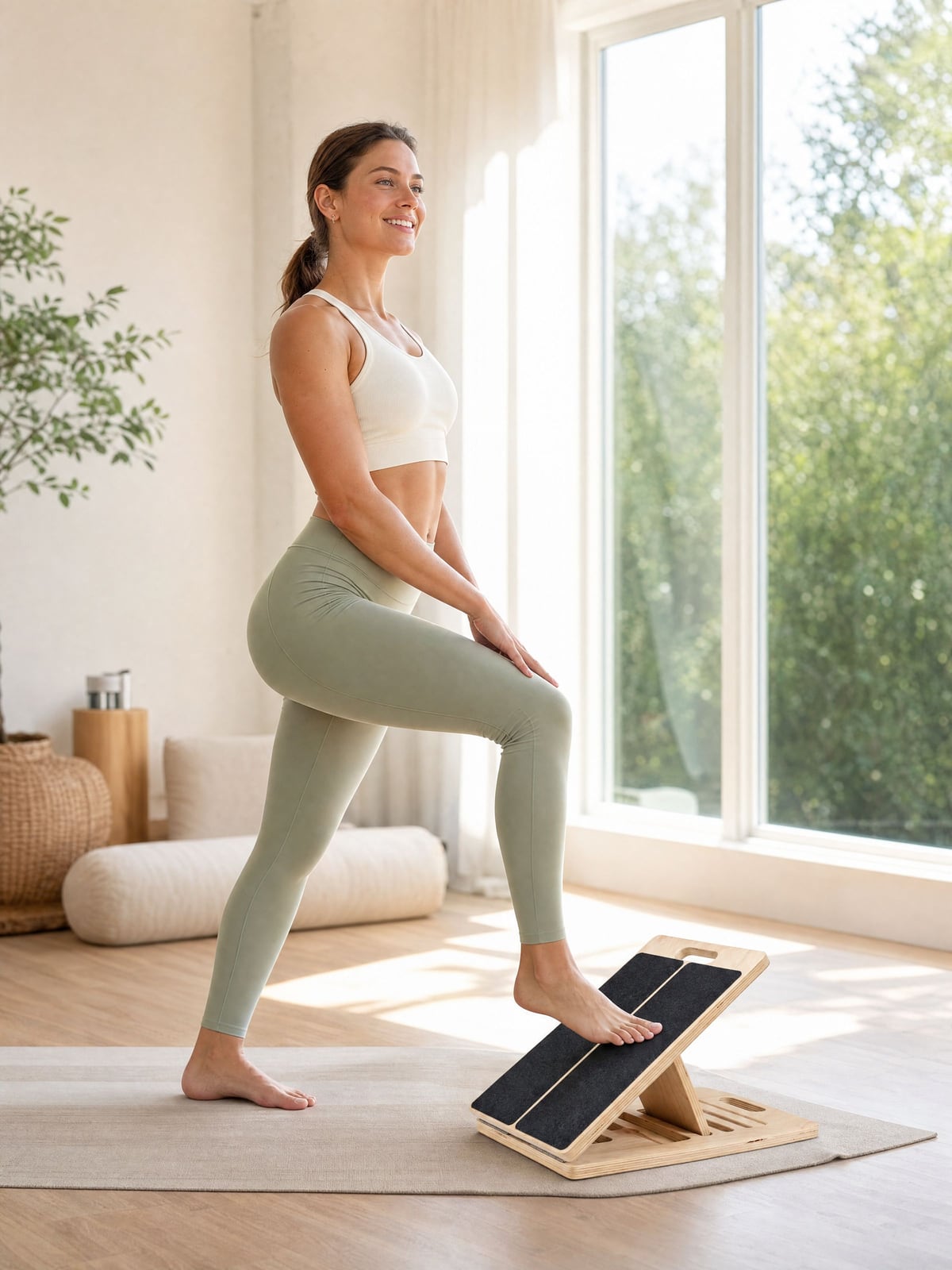
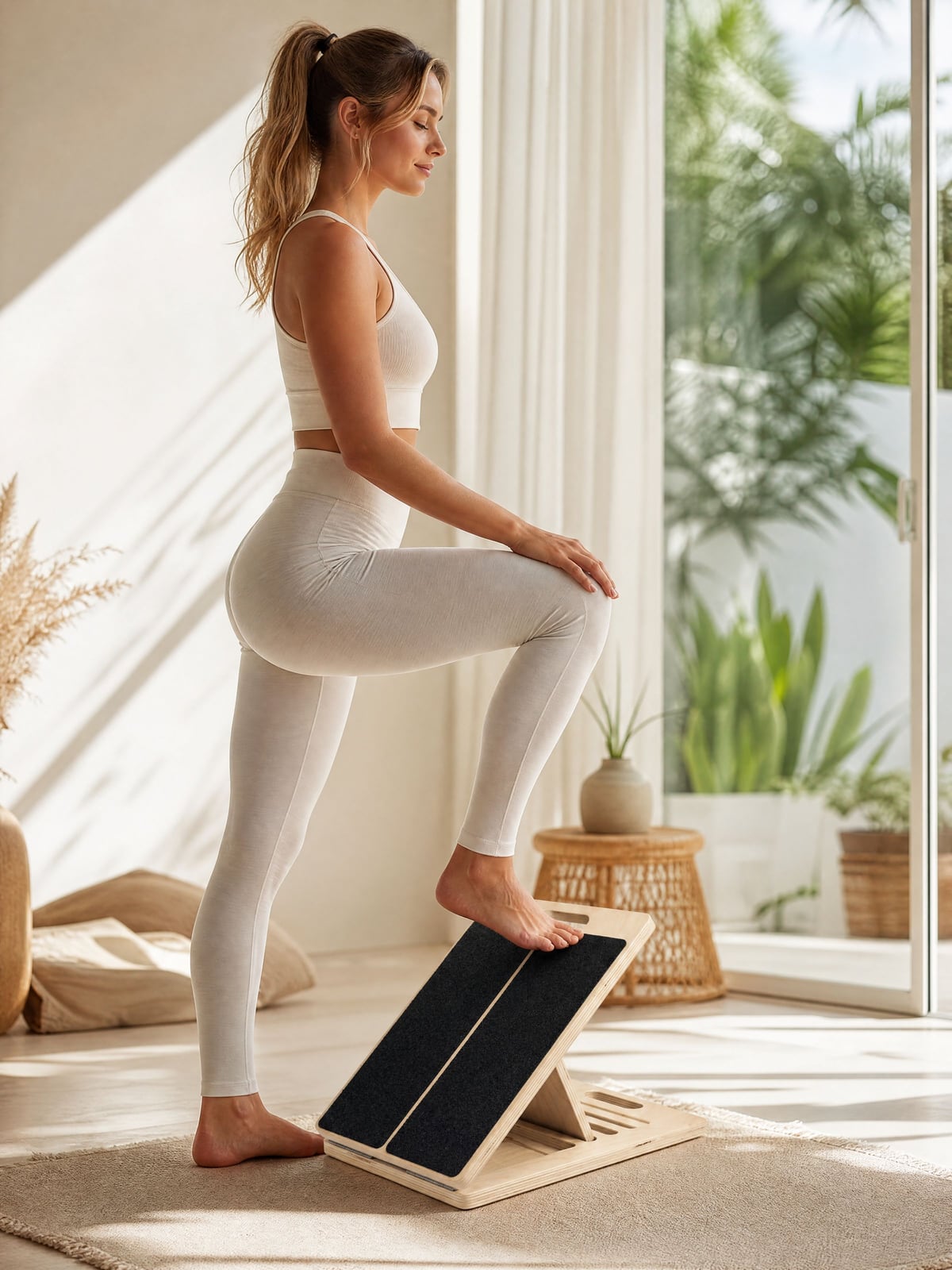
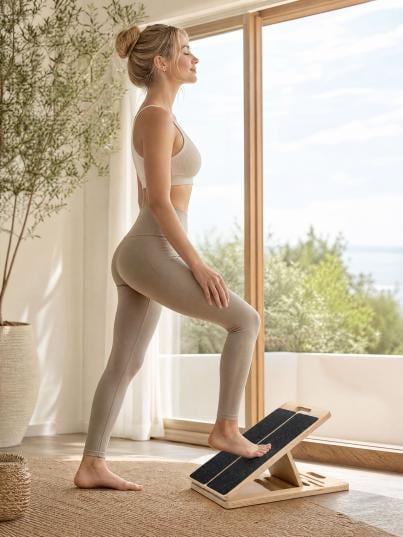
Four-dimension readout
- Model realism More controlled. The first and third images handled contrast and skin detail better; the second still showed yellow-red skin tendency.
- Scene freedom/accuracy Restrained. The product stayed in a similar room area, the composition changed less, and the actions were close to each other.
- Product consistency/distortion Mostly consistent. The main watch point was the person-to-board scale relationship, which varied because the prompt did not specify scale.
- Expression range Useful when the target is known. GPT-image-2 stayed inside a stricter use logic, so different locations or actions need to be requested directly.
3. Dumbbell rack test
The third prompt used a rack reference image and asked for a high-quality, visually impactful western-market brand image. The scene described an Australian woman doing relaxed dumbbell-yoga training, with a premium atmosphere, commercial composition, no text, and unchanged rack details.
Nano Banana2 dumbbell rack outputs
The draft notes four Nano Banana2 rack outputs, but the visible source assets for this group contain three. This gallery keeps those three in document order.
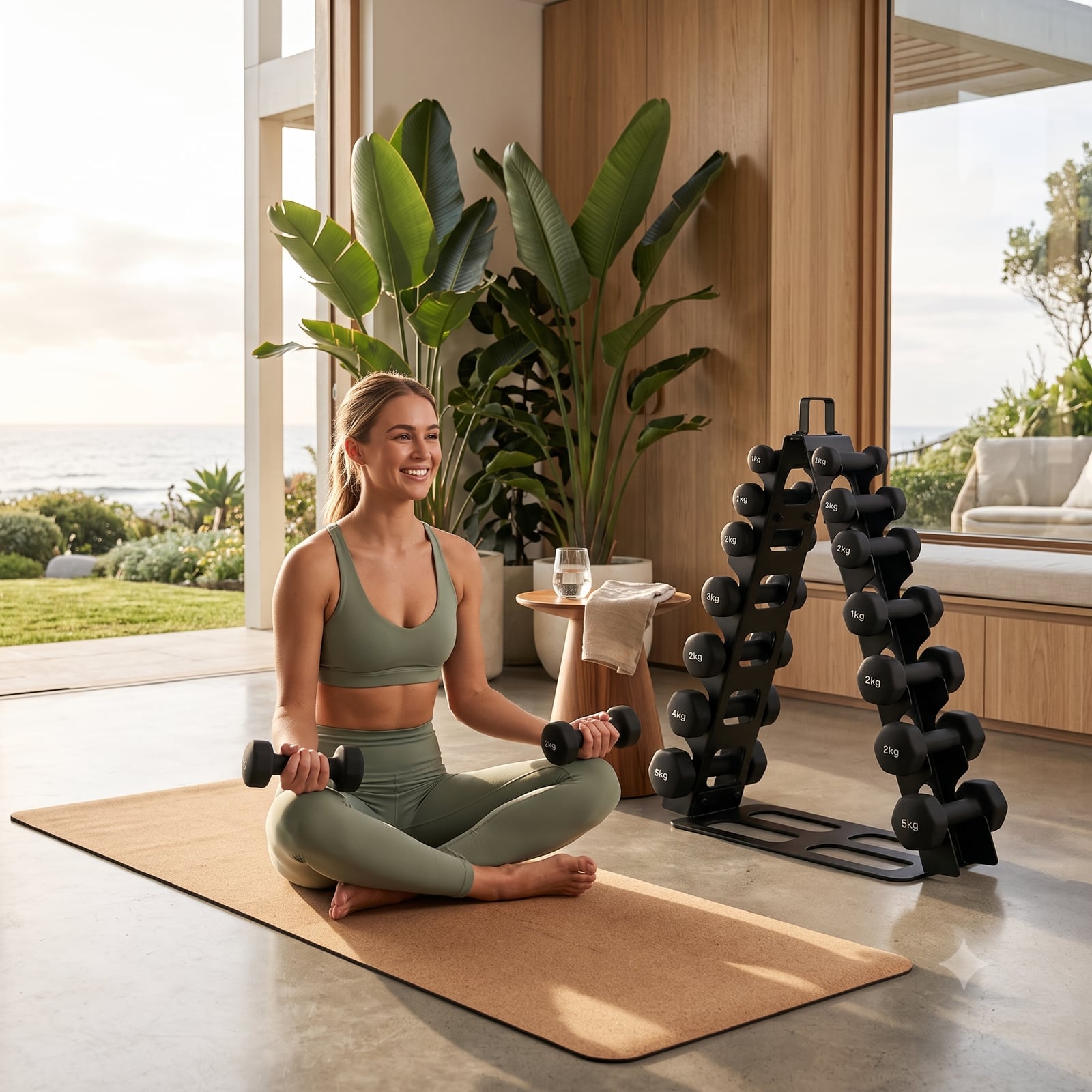
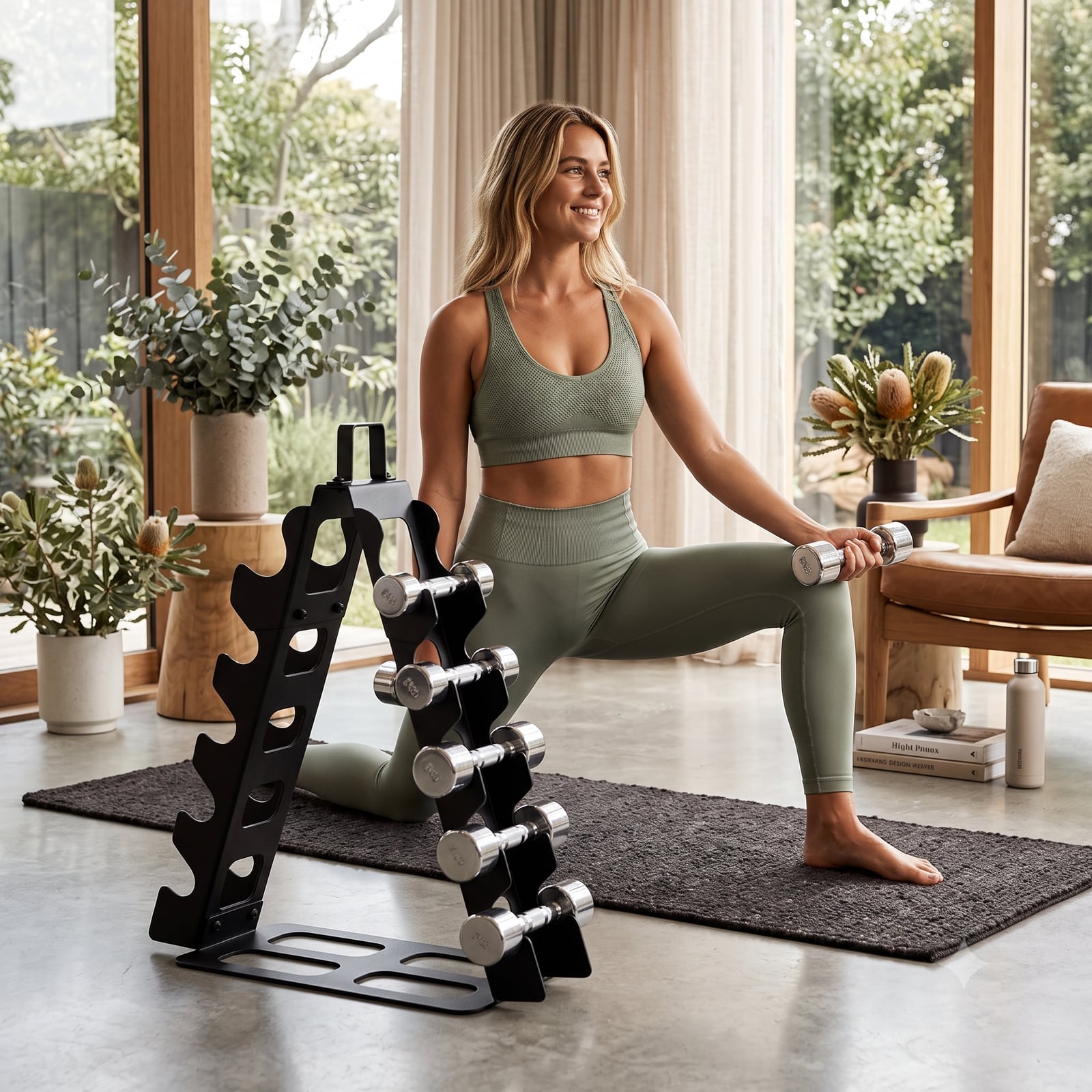
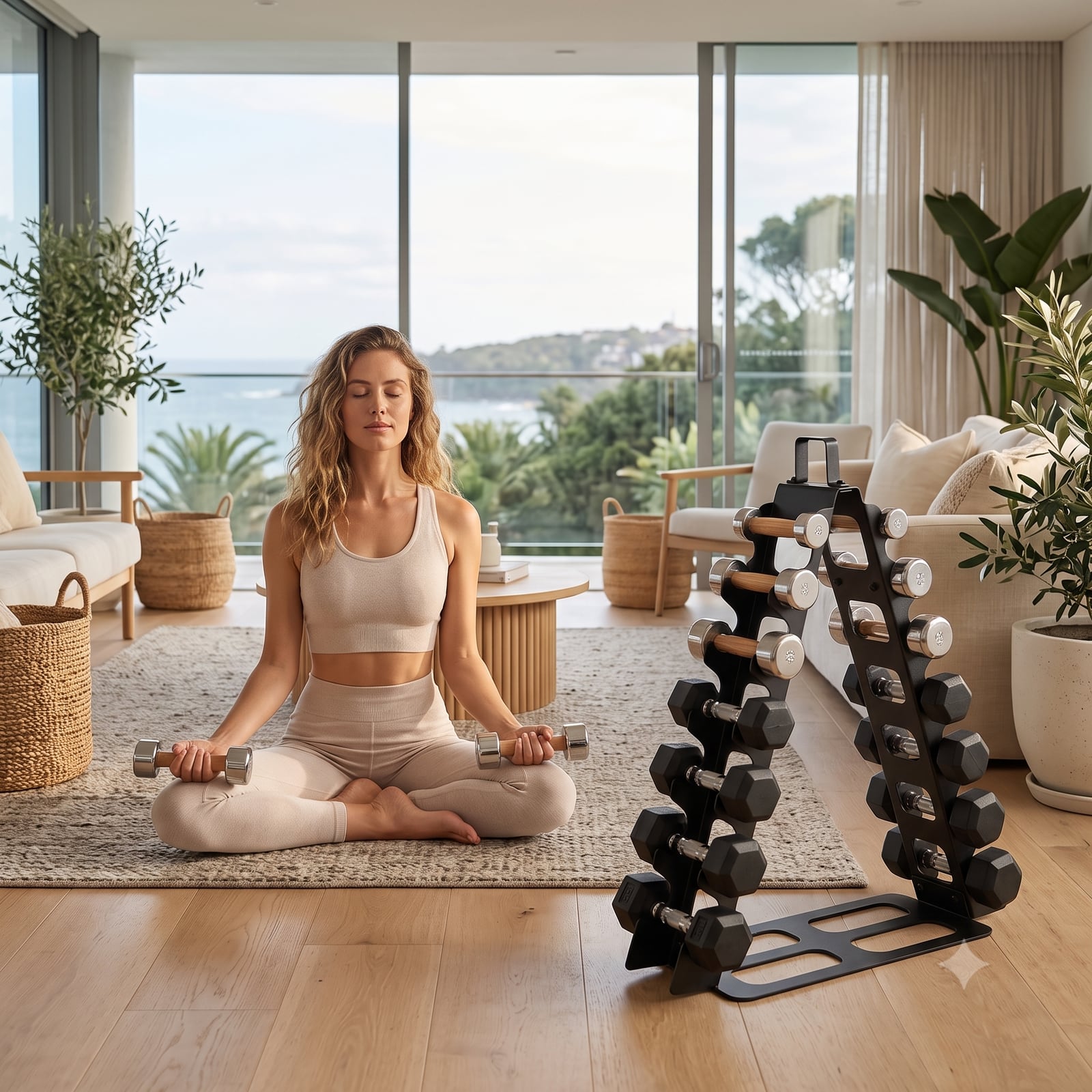
Four-dimension readout
- Model realism Visible AI risk. The third image had better skin tone and contrast; the first two showed stronger red shift, oily texture, and local blur.
- Scene freedom/accuracy Good category fit. The rack, mat, semi-open fitness room, and outdoor environment matched the product use case, with style changes across images.
- Product consistency/distortion Main failure. The rack looked consistent at a glance, but the slot count changed across outputs and took about 5 to 10 generations to correct later.
- Expression range Strong commercial read. The images conveyed a relaxed training mood and combined yoga with dumbbell interaction in reasonable compositions.
GPT-image-2 dumbbell rack outputs
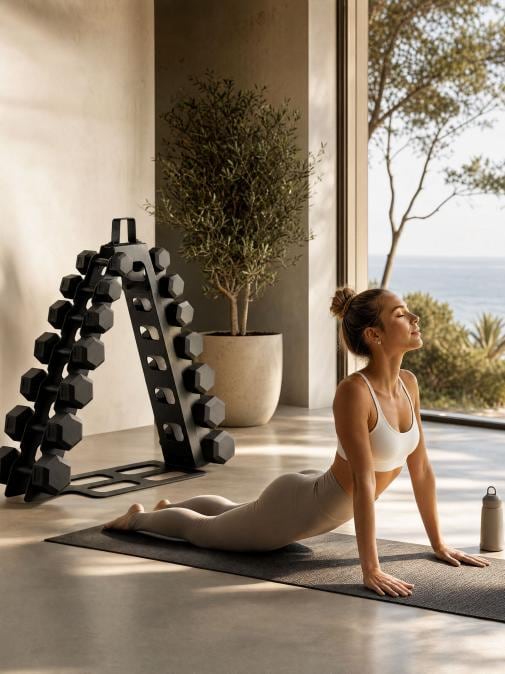
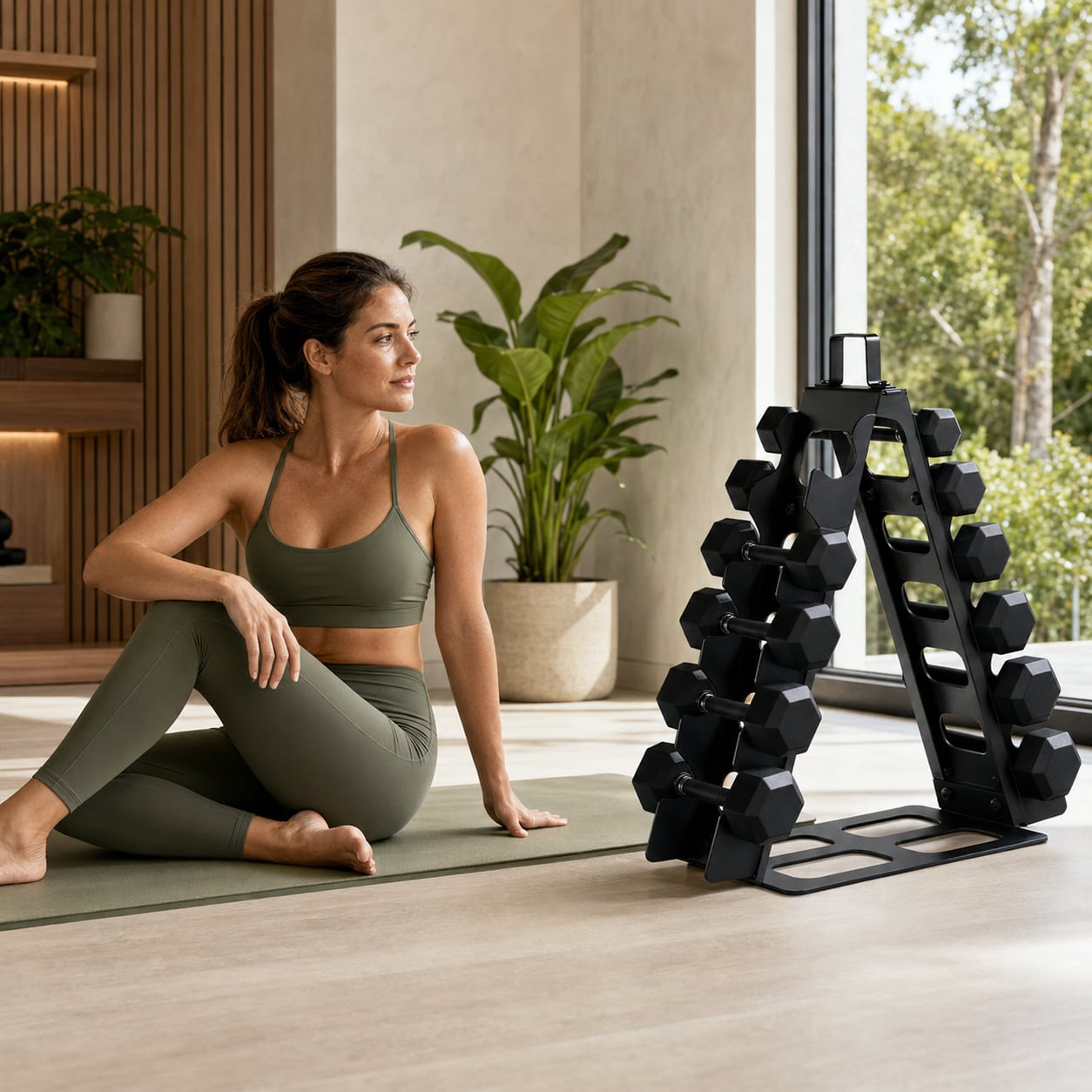
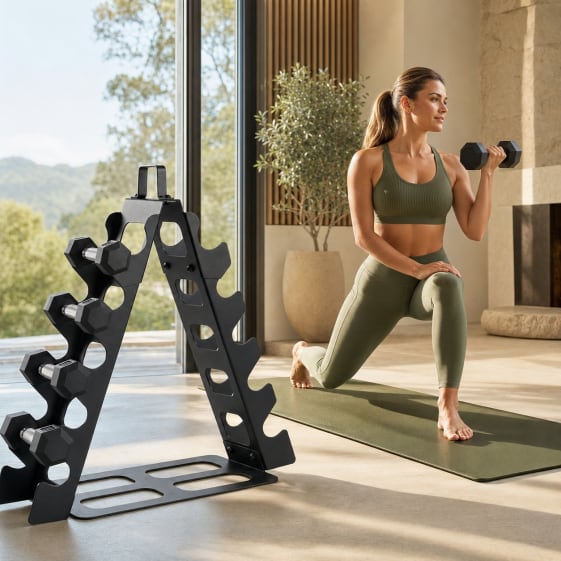
Four-dimension readout
- Model realism Best in the second image. The first was acceptable but redder and higher contrast; the third had more whole-body blur.
- Scene freedom/accuracy Cautious. Camera angle changed, but room logic, finish, and framing stayed close across the set.
- Product consistency/distortion Same structural miss. GPT-image-2 also changed the rack slot count before the prompt added a strict count constraint.
- Expression range Atmosphere over action. Two images felt closer to commercial posing; the third showed the clearest dumbbell-training action.
The slot-count constraint
After both models struggled with the rack capacity, the source test added a tighter prompt constraint: the rack has five slots on each side, and each side can hold five dumbbells.
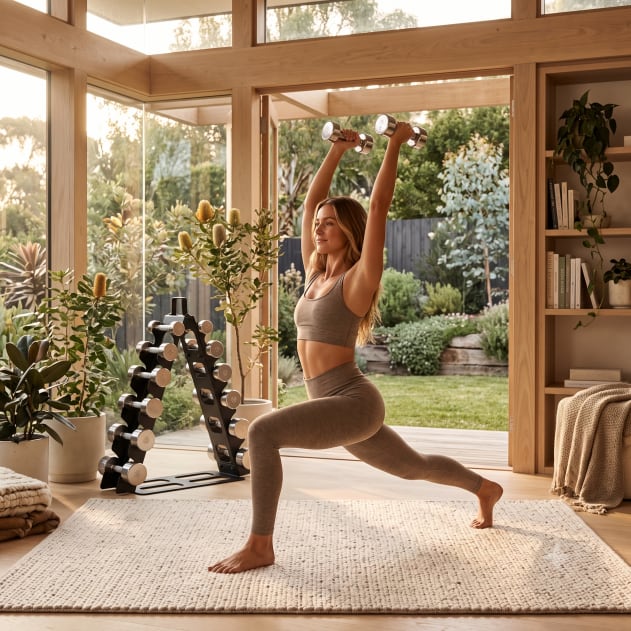
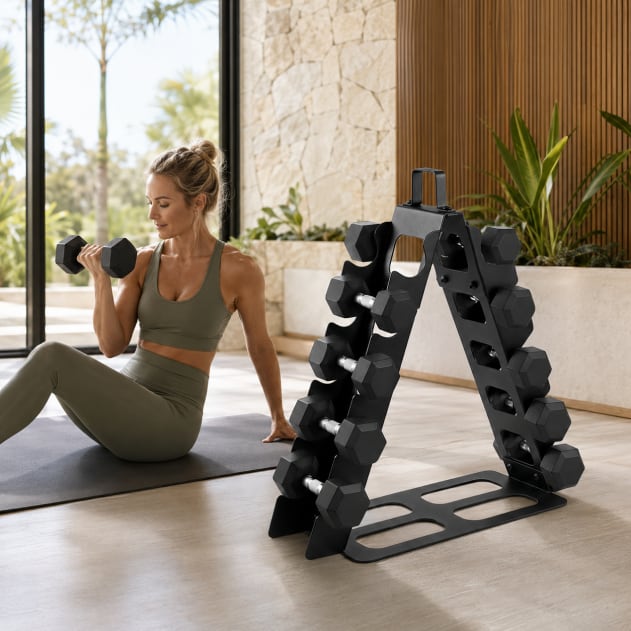
With that constraint, GPT-image-2 followed the intended detail more clearly. It still introduced a new issue: one dumbbell appeared to float. Nano Banana2 continued to miss the count more visibly.
This is the clearest Part 1 difference. GPT-image-2 looked stronger when the operator needed exact prompt obedience around a specific product detail. Nano Banana2 remained more divergent and less controllable on that fine-grained requirement.
Initial summary from Part 1
The two models were close enough on general product consistency that neither should be trusted blindly. Both can produce ecommerce-looking images, and both can change product details.
The difference was more visible in people, action control, and prompt strictness. Nano Banana2 was more prone to painterly skin, high contrast, and wider pose variation. GPT-image-2 was more restrained and better at a specific detail constraint, but it could still weaken the product demonstration or create a new artifact.
For real ecommerce work, the practical rule is:
| Task need | Better starting point from this test | Why |
|---|---|---|
| Early mood and scene exploration | Nano Banana2 | More divergent outputs may reveal directions, as long as the team reviews more options |
| Exact product detail or capacity | GPT-image-2 | It responded better to a strict count constraint in the rack test |
| Functional product-use logic | GPT-image-2, with explicit action prompts | It tended to keep actions more controlled, but may become repetitive |
| More expressive lifestyle atmosphere | Either model, with QA | GPT-image-2 carried atmosphere well in coffee scenes; Nano Banana2 gave more pose variety |
The part that cannot be skipped is QA. Before upload, check the product shape, small controls, icon areas, slot counts, usage posture, scale, skin realism, lighting, and whether the image is showing a real product use or only a nice-looking scene.
Part 1 is best read as a production note: choose the model based on the failure you can least afford, then run a small controlled test before generating the full image set.