Model Comparison
Nano Banana2 vs GPT-image-2: Ecommerce Image Test, Part 2
Part 2 adds treadmill and pet-product scenes: Nano Banana2 is livelier but less predictable, while GPT-image-2 is steadier on product detail, scene logic, and brand tone. These observations are specific to the tested samples.
This article can be read on its own. It compares Nano Banana2 and GPT-image-2 on three ecommerce image situations: a treadmill, a pet stair, and a pet bed plus mat set. These examples come from a separate model comparison and do not describe selectable settings in Ochra. Use the options and credit estimate shown in Create.
The point is not to crown one model from a single test. The useful question is narrower: which model gives a seller a better starting point for a specific image job?
Answer first
Part 2 reinforces the same production pattern as Part 1. Nano Banana2 is more willing to explore. That can create livelier scenes, especially around pets, but it also brings more visible AI-feel, exaggerated expressions, color drift, and looser product control. GPT-image-2 is more restrained. In these groups it generally kept product details, scene logic, and brand tone under tighter control.
In the source test, the pet stair and pet bed samples showed accurate semantic response, restrained model behavior, and consistent brand atmosphere.
What Part 2 tests
The review keeps the same four dimensions used in Part 1:
| Dimension | What the test looked for |
|---|---|
| Model realism | Whether people, skin, posture, and facial detail stayed believable |
| Scene freedom/accuracy | Whether the model followed the prompt while choosing a useful scene |
| Product consistency/distortion | Whether product details, proportions, controls, parts, and materials stayed close to the reference |
| Image expression range | Whether the output had commercial energy without drifting away from the product job |
Read this as a production note, not a universal benchmark. Each group is one prompt family, one product situation, and one set of visible outputs.
1. Treadmill test
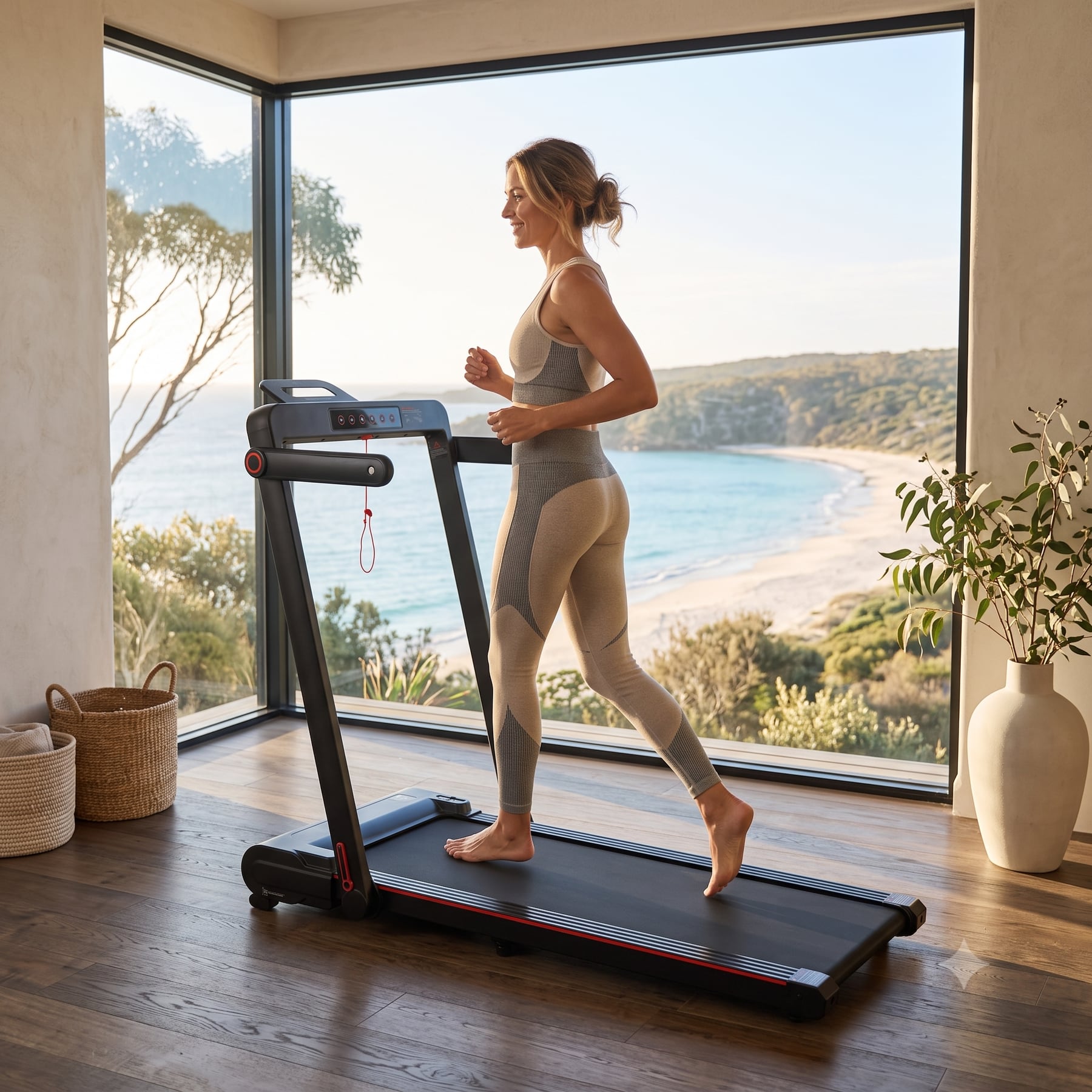
The prompt used a treadmill reference image and asked for a high-quality, visually striking brand-style image for western markets. The requested scene was an Australian woman running on the treadmill in a relaxed, calm atmosphere, with commercial composition and lighting, no text, and the treadmill details unchanged.
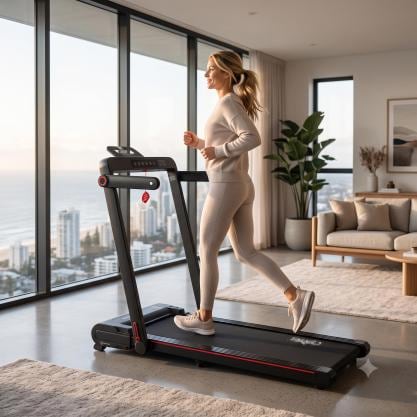
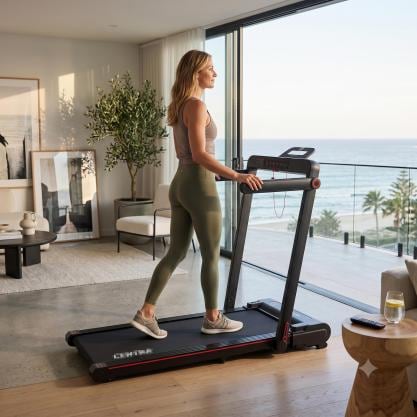
Nano Banana2 treadmill outputs
Four-dimension readout
- Model realism The first image is the most usable, though the person still has a slight AI feel. The other two show more obvious artificial posture and polish.
- Scene freedom/accuracy The coastal window setting is consistent with the Australian lifestyle prompt. The model understood that the person should be using the treadmill, without inventing a strange action.
- Product consistency/distortion The main treadmill shape holds up, but the control area, accessories around the console, and phone-holder detail vary across the three images. The logo area remains privacy-treated.
- Expression range The set is calm but not very athletic. Only the second image feels active; the first and third read closer to walking or posing than running.
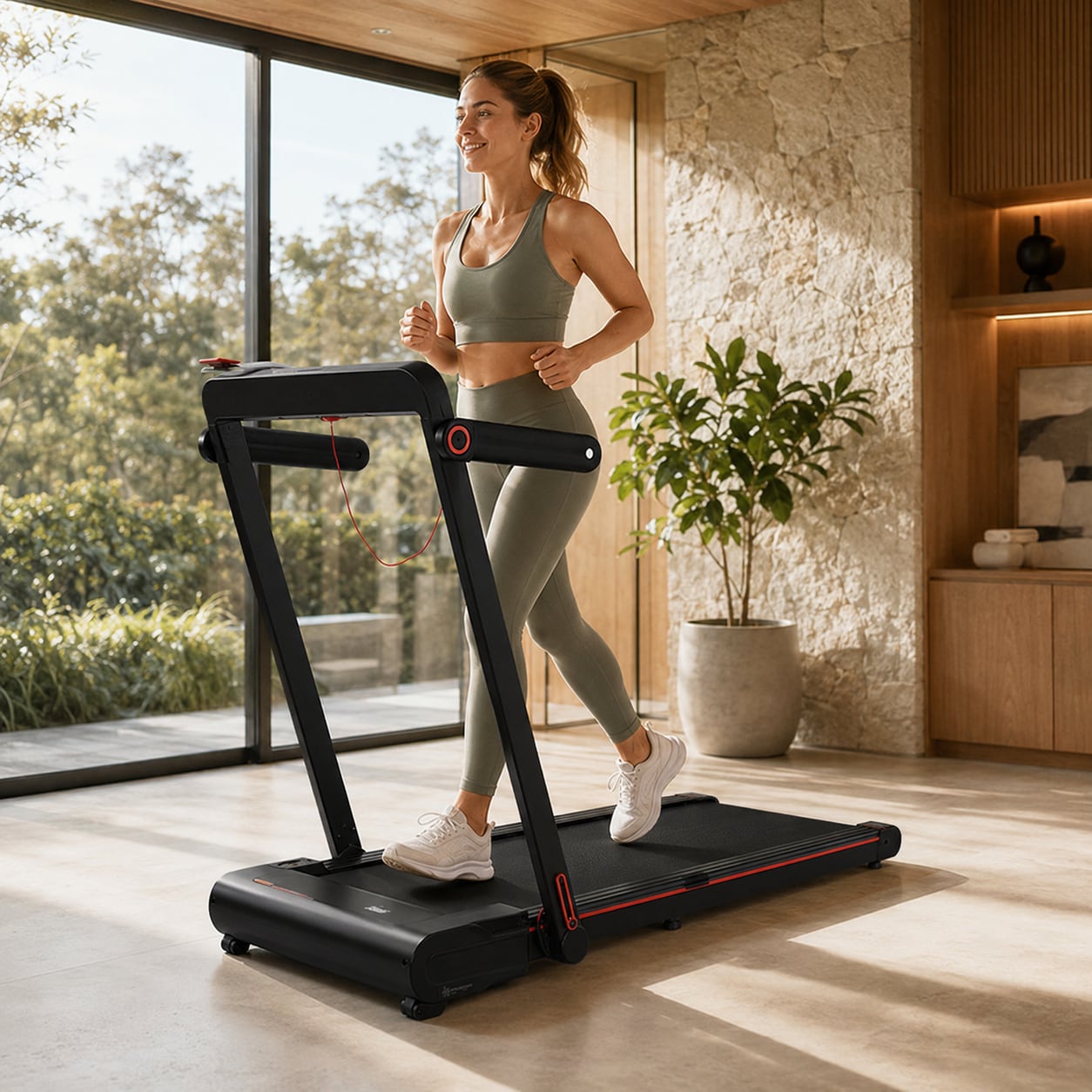
GPT-image-2 treadmill outputs
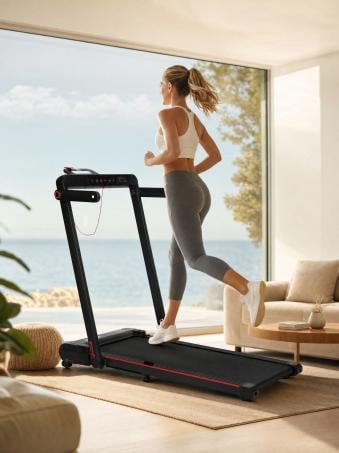
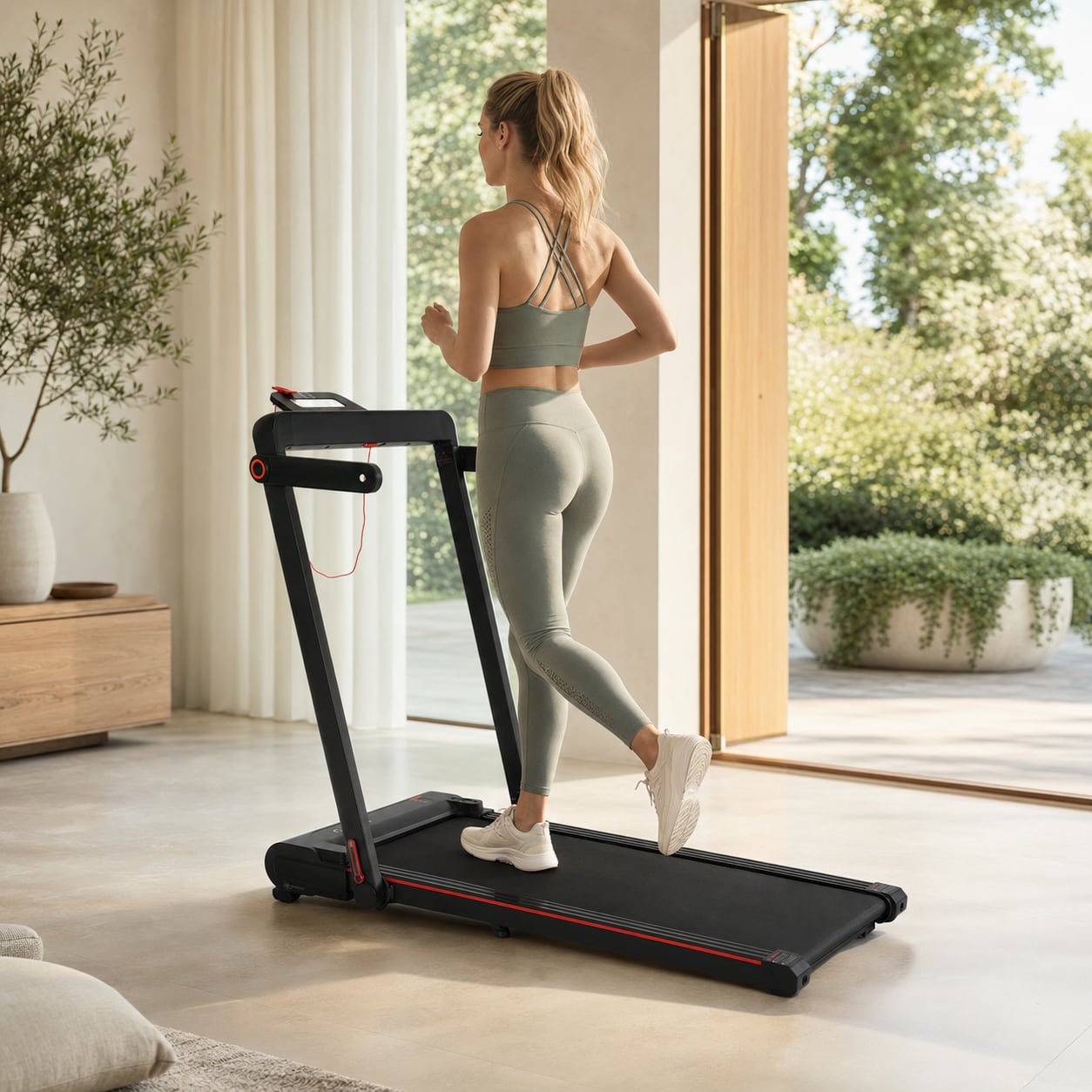
Four-dimension readout
- Model realism The overall color and realism are acceptable. The front-facing image has a mild AI feel, but the set avoids the heavier oily texture seen in many rejected outputs.
- Scene freedom/accuracy The indoor scenes are designed cleanly, and the treadmill sits in plausible positions. Window and outdoor views vary more than Nano Banana2's coastal set.
- Product consistency/distortion Compared with Nano Banana2, the console, red-line area, and nearby details stay more consistent. This is the strongest practical difference in this group.
- Expression range The set better matches a relaxed indoor running lifestyle. The second image has more running tension, and the brand tone remains controlled even without showing the face.
2. Pet stair test
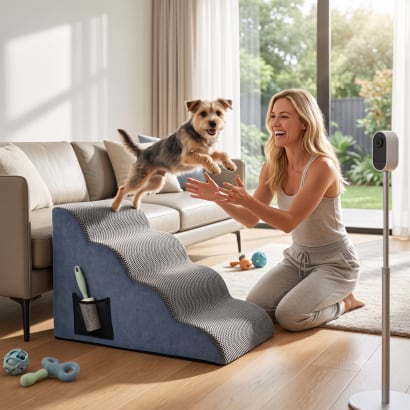
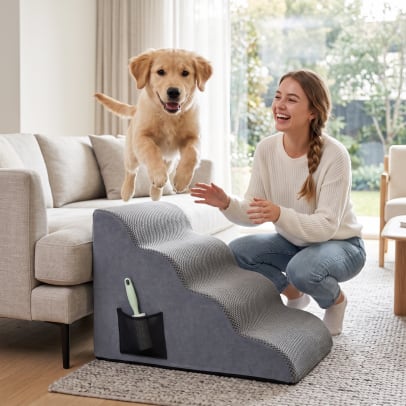
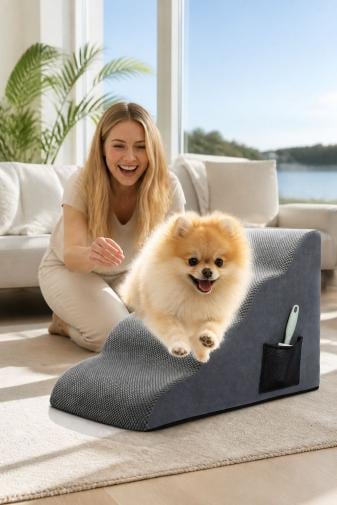
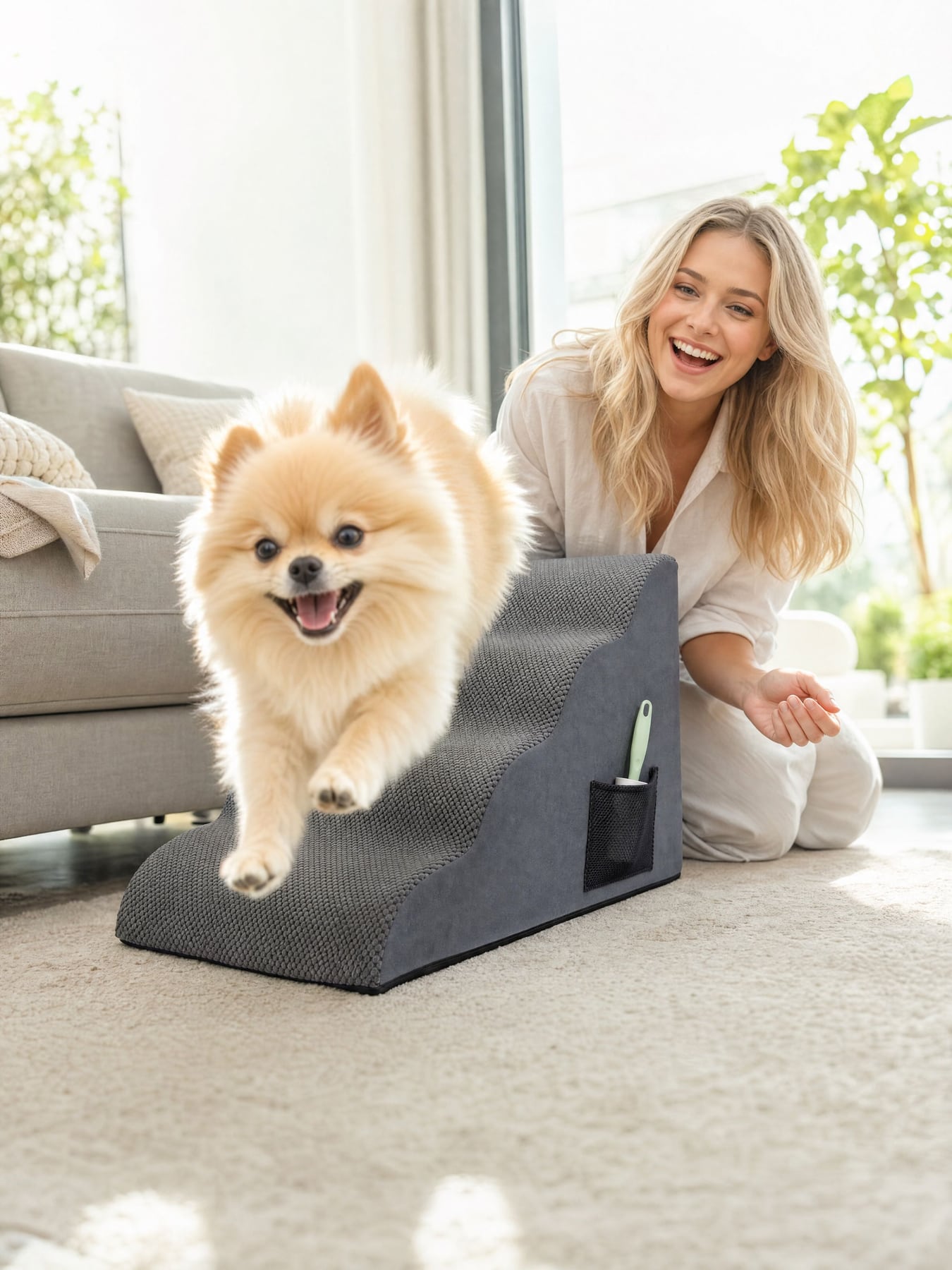
The prompt used a pet stair reference image and asked for a high-quality, lively, visually striking brand-style image for western markets. The requested scene had an Australian woman interacting happily with a dog near the stair while the dog jumped toward the camera, with fresh light, a positive mood, commercial lighting, no text, and the stair details unchanged.
Nano Banana2 pet stair outputs
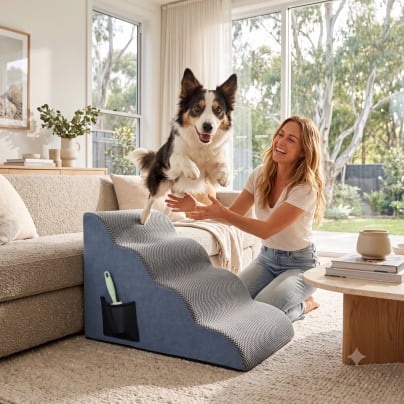
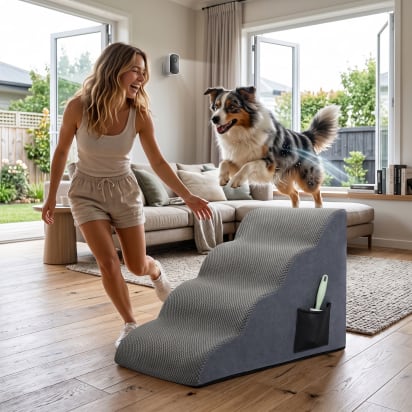
Four-dimension readout
- Model realism Exaggerated expressions and body movement create visible AI risk across most of the set. The fourth image is the closest to a commercial candidate.
- Scene freedom/accuracy The model follows the requested interaction and keeps the room layout in a similar family. Product understanding is reasonable.
- Product consistency/distortion The stair's overall proportion and side details remain fairly stable. This group is better on product consistency than on human realism.
- Expression range The set is lively, but sometimes too loose. The first and fourth images follow the dog-jumping-toward-camera direction; the others feel more improvised, and one adds an extra light-effect mood that pushes past the prompt.
GPT-image-2 pet stair outputs
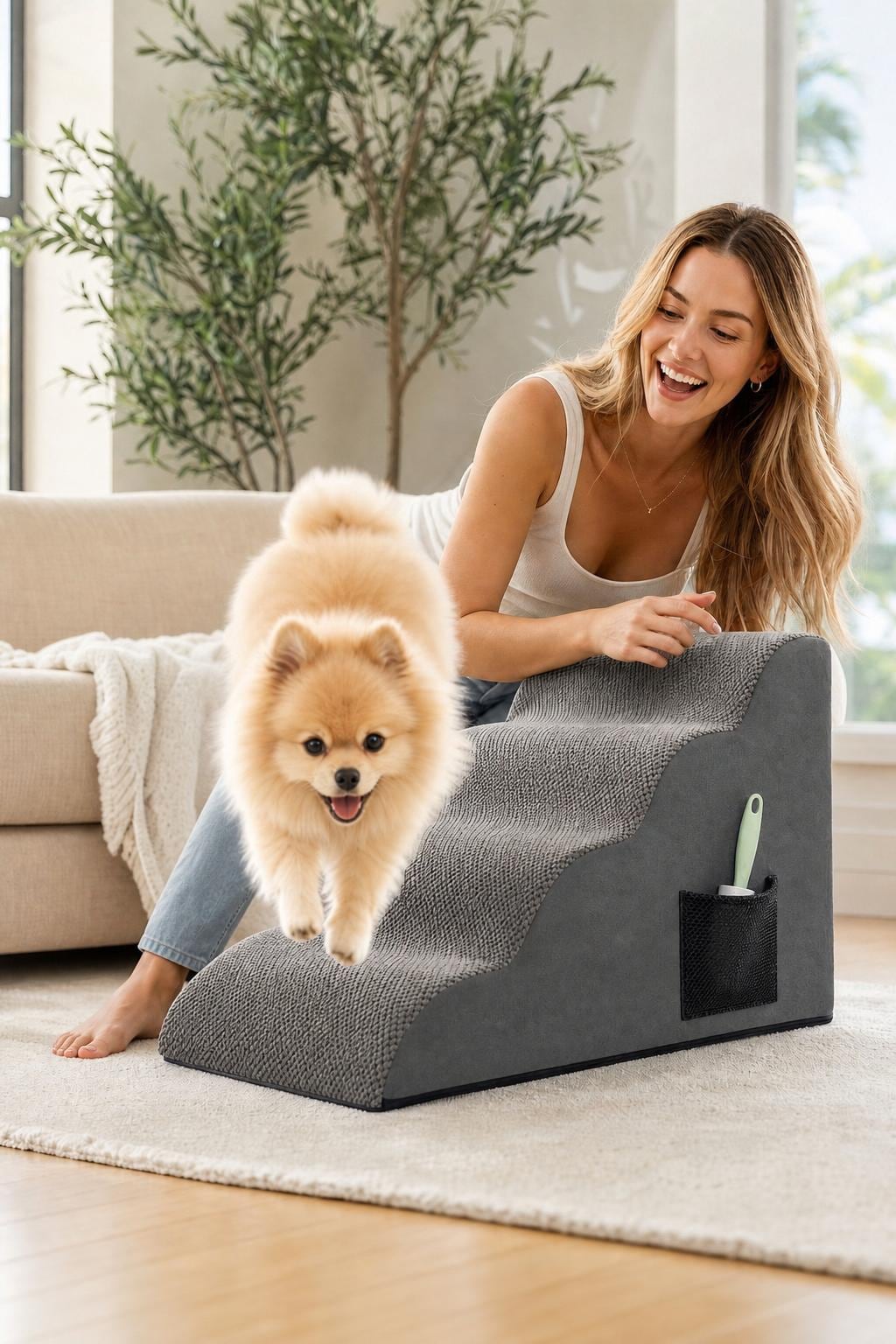
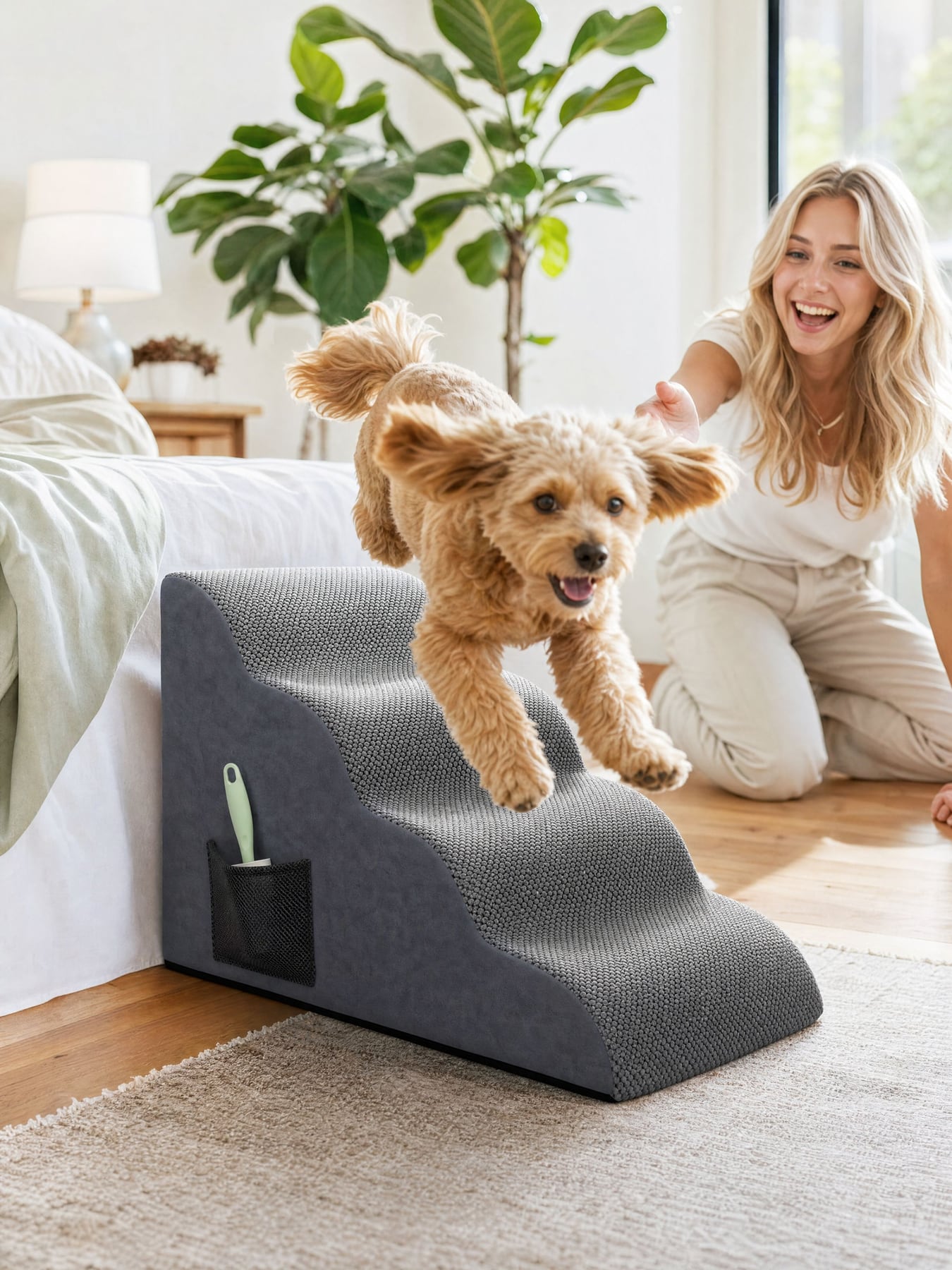
Four-dimension readout
- Model realism Compared with Nano Banana2, the oily feel and hard contrast are much lower. Skin and facial details have more individual texture.
- Scene freedom/accuracy The prompt is followed cleanly, with the pet stair and dog interaction still readable. The scene family stays close instead of scattering across unrelated ideas.
- Product consistency/distortion The stair details and proportions remain strong. This is one of the more upload-friendly parts of the set.
- Expression range The dog jumping toward the camera gives the images real energy. The set is closer to the intended brand image than the Nano Banana2 group in this test.
3. Pet bed and mat test
The prompt used two references: one pet bed and one dog mat. It asked for a high-quality, lively, visually striking brand-style image for western markets, with Australian men and women interacting with cats and dogs around the products. The pets should be active on the bed and mat, the mood should be relaxed and positive, and the product details should stay unchanged.
Nano Banana2 pet bed and mat outputs
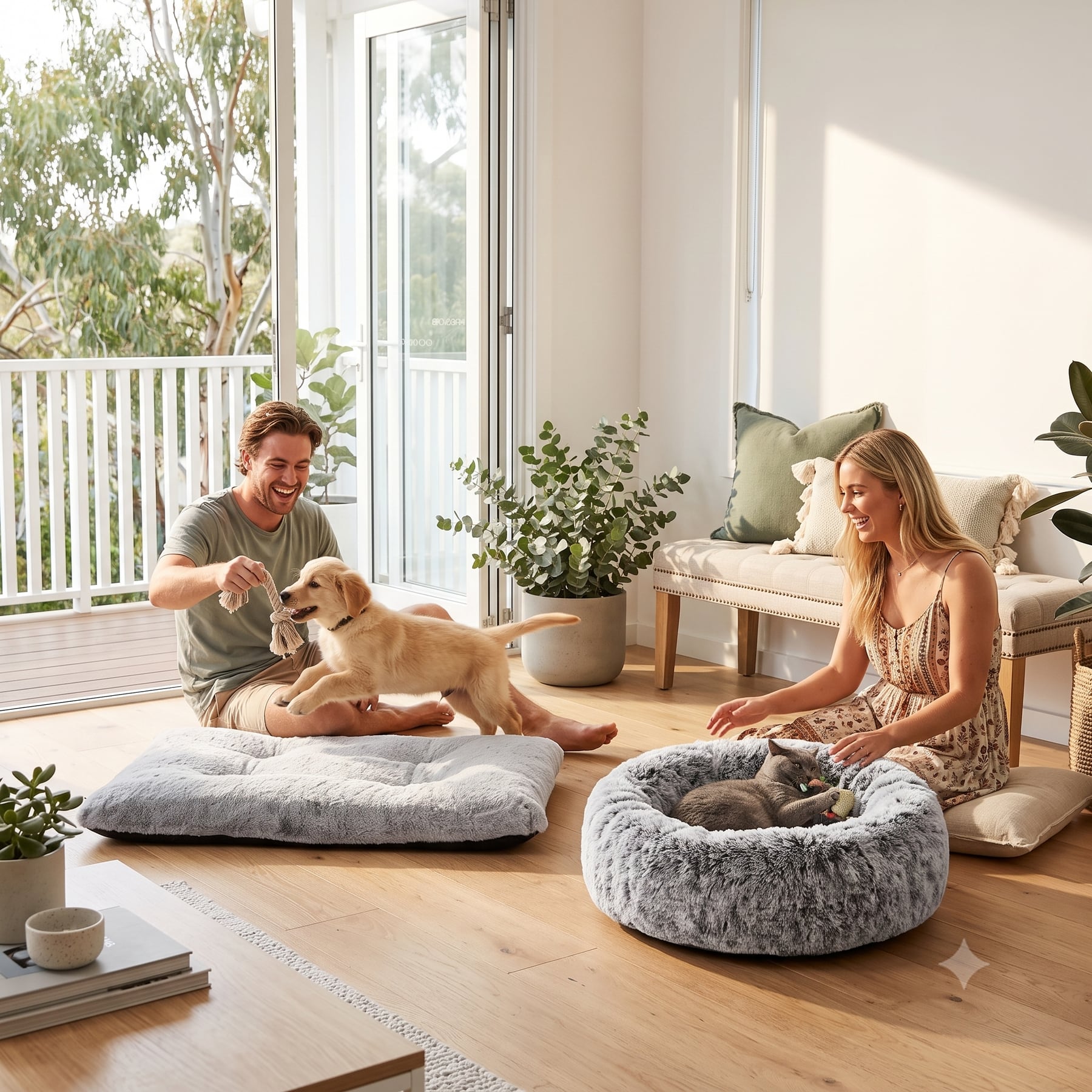
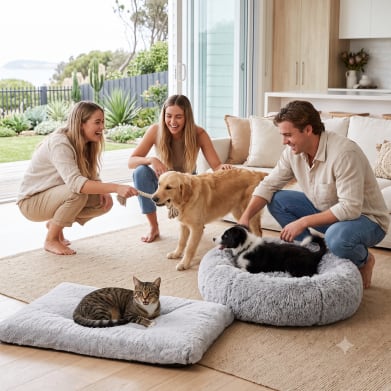
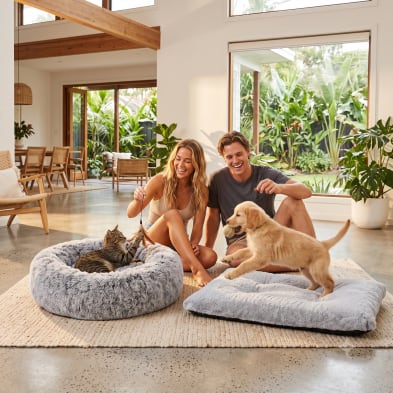
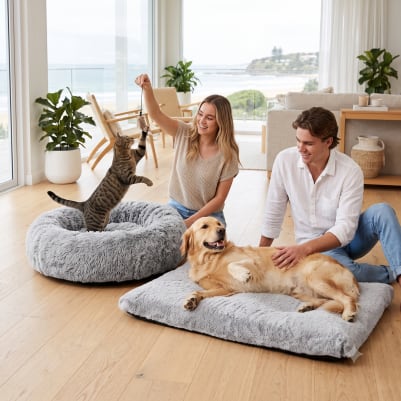
Four-dimension readout
- Model realism The set falls into a warm orange family that makes the people look more artificial. Some facial detail is still usable, but the color cast and oily finish would need editing.
- Scene freedom/accuracy Because the prompt did not lock the room, the model explores different spaces, pet types, and interaction poses. Overall it still satisfies the prompt.
- Product consistency/distortion The dog mat is relatively consistent, while the pet bed shape changes a little across the four images. The soft fleece material is the strongest product detail.
- Expression range Interaction and atmosphere are strong. Pets carry much of the expression, and Nano Banana2 handles pet energy better than it handles the people in this group.
GPT-image-2 pet bed and mat outputs
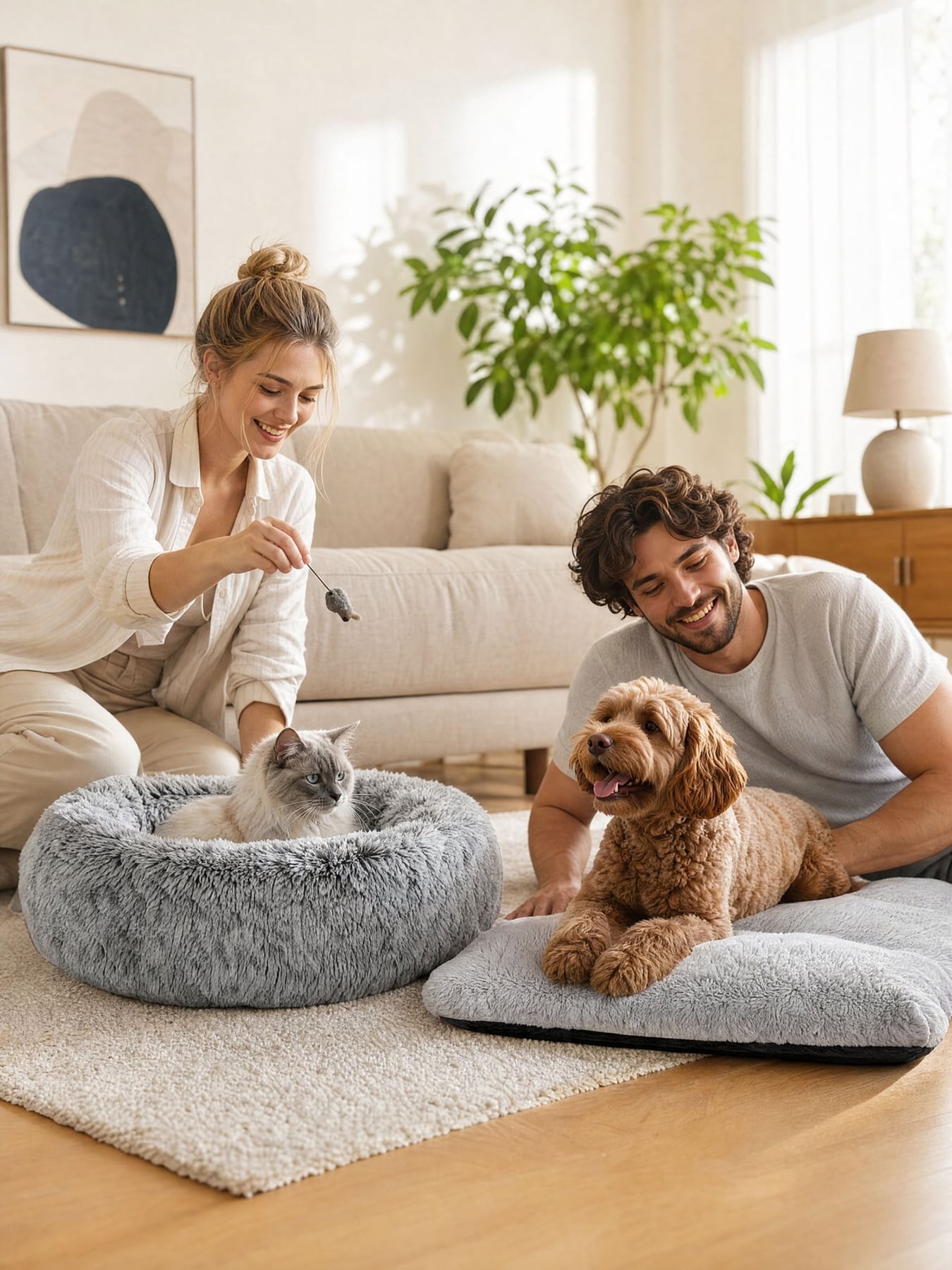
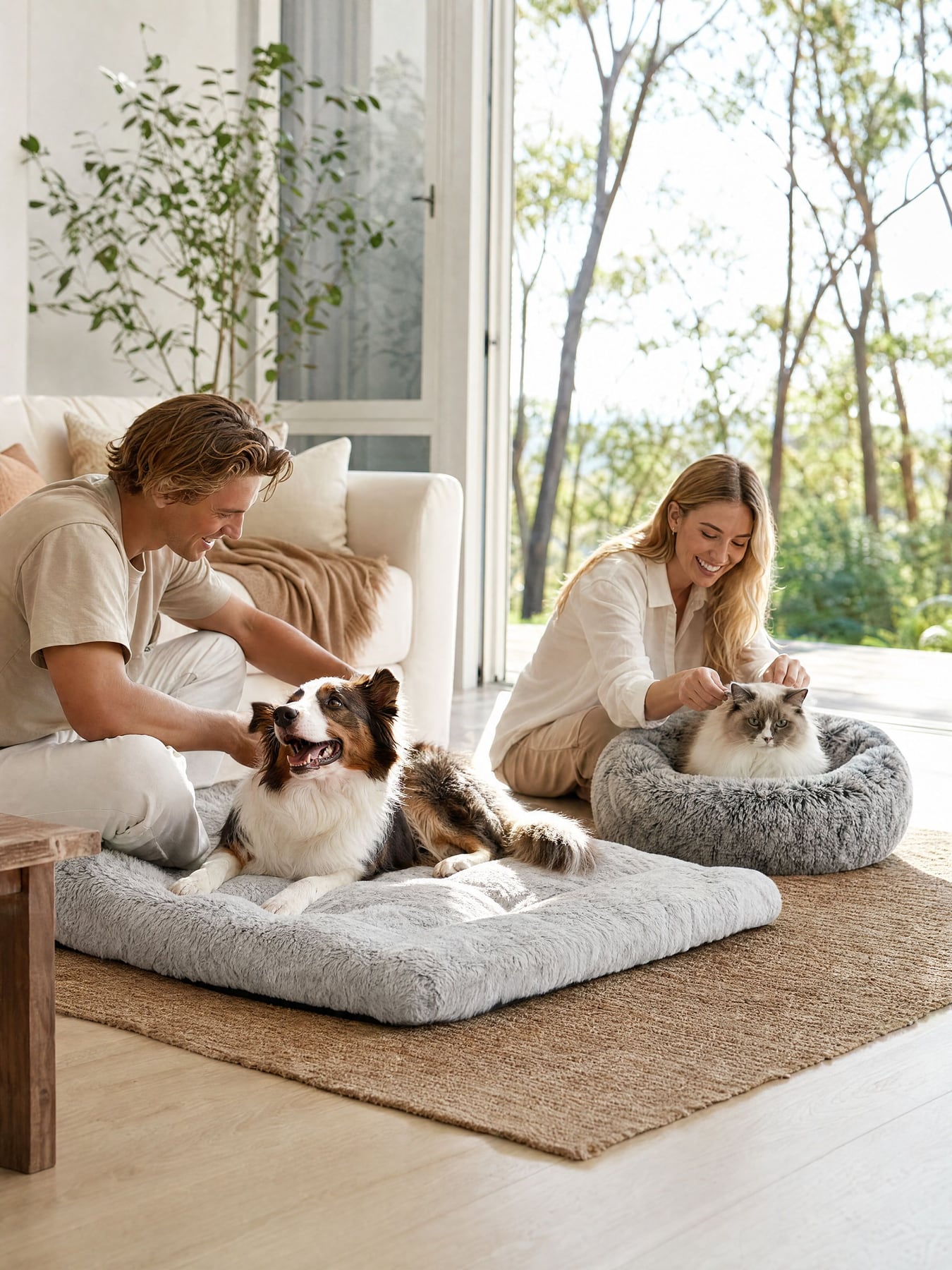
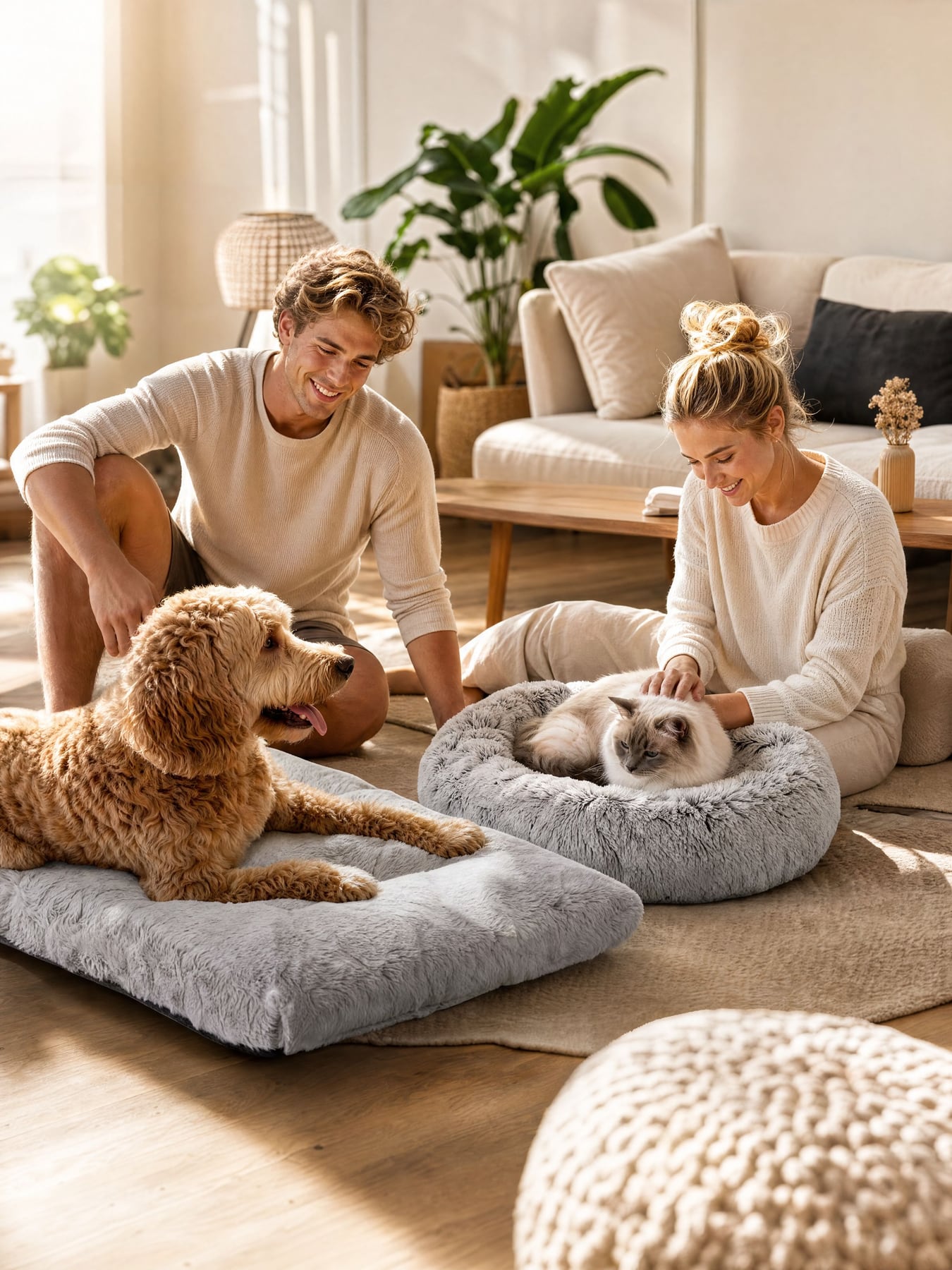
Four-dimension readout
- Model realism The warm backlit tone still pushes skin color toward red in places, but the faces mostly stay just outside obvious AI-feel. These are usable commercial candidates after normal review.
- Scene freedom/accuracy GPT-image-2 is more conservative here. The interactions stay near the same sofa and rug logic, so the set feels coherent but less exploratory.
- Product consistency/distortion The dog mat stays consistent, and the pet bed keeps enough of its detail. Minor deformation caused by pets pressing into the soft product is acceptable.
- Expression range The images are restrained. Pets and owners feel calm, comforted, and stable rather than excited. That gives a quieter brand tone than Nano Banana2's more energetic interaction.
Quality setting note
The source samples used a separate third-party API. The observations here concern those samples.
In these samples, GPT-image-2 showed accurate semantic response, steady model behavior, and controlled brand atmosphere. These observations do not guarantee a perfect output or product detail.
For a seller, the practical rule is simple:
| Job | Quality setting judgment |
|---|---|
| Everyday batch exploration | Keep prompts tight and spend the budget on review and iteration |
| Exact product detail or fewer reruns | Test GPT-image-2 with stricter prompts before scaling |
| Brand tone image or ad lead image | Test a few prompt variations and compare the candidates |
| Pet or lifestyle scenes where energy matters | Test Nano Banana2 and GPT-image-2 side by side, because their expression ranges differ |
Part 2 conclusion
Nano Banana2 and GPT-image-2 are close enough that one attractive image should not decide the tool. Their failure modes are more useful than their best examples.
Nano Banana2 tends to explore more, especially in pet scenes. That can create surprise, but it can also add exaggerated faces, loose actions, strong color casts, or product drift. GPT-image-2 tends to be more literal and controlled. In this Part 2 test, that helped with treadmill details, pet stair proportions, and calmer brand tone.
The buyer-facing lesson is the same as the production lesson: decide what failure you cannot accept first. If product detail and fewer reruns matter most, start with GPT-image-2 and a tight prompt. If you need lively direction-finding and can review more candidates, include Nano Banana2. If budget is limited, test a few samples first, then focus your credits on images where brand tone, ad placement, or first-screen trust matters.